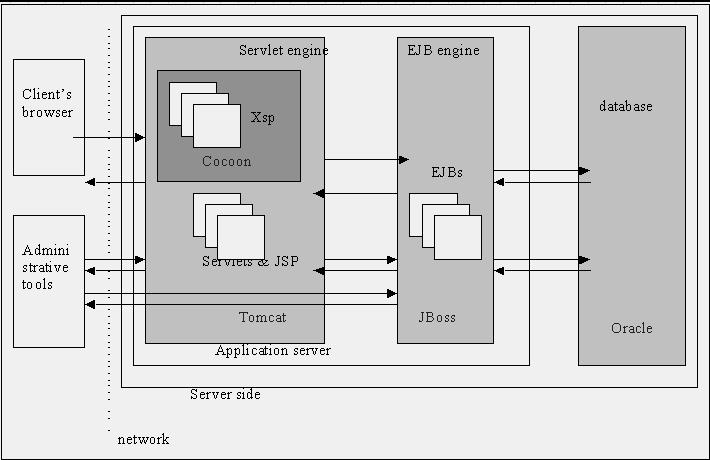
Figure 1: INTELLECT's system architecture
First prototype available!
July 19th, 2001
The prototype of the project INTELLECT is available now. If interested people want to play with the prototype, a direct link to our INTELLECT server is here available, which you can use. But keep in mind it is only a prototype, what means that we have to go on with the development of further features, embed more user requirements, and reach a more stable status as now. Therefore it is current only a beta version, which is maybe sometimes not available online.
The prototype links are not available anymore.
But keep in mind that you need a 3D Java extension for using the configurator with 3D visualisation.
The INTELLECT consortium provides an enhanced eShop system including all practicable electronic commerce features, and offering a suitable and realistic representation of the products. The INTELLECT application contains five modules:
For the independence of the end-user presentation and functionality, the project decided to use Java Server Pages (JSP) technology which allows web developers and designers to rapidly develop and easily maintain, information-rich, dynamic web pages that leverage existing business systems.
As part of the Java family, JSP technology enables rapid development of web-based applications that are platform independent. JSP technology separates the user interface from content generation enabling designers to change the overall page layout without altering the underlying dynamic content.
JSP technology uses XML-like tags and scriptlets written in the Java programming language to encapsulate the logic that generates the content for the page. Additionally, the application logic can reside in server-based resources (such as Java Beans component architecture) that the page accesses with these tags and scriptlets. Any and all formatting (HTML or XML) tags are passed directly back to the response page. By separating the page logic from its design and display and supporting a reusable component-based design, JSP technology makes it faster and easier than ever to build web-based applications.
JSP technology is an extension of the Java Servlet technology. Servlets are platform-independent, 100% pure Java server-side modules that fit seamlessly into a web server framework and can be used to extend the capabilities of a web server with minimal overhead, maintenance, and support. Unlike other scripting languages, servlets involve no platform-specific consideration or modifications; they are Java application components that are downloaded, on demand, to the part of the system that needs them. Together, JSP technology and servlets provide an attractive alternative to other types of dynamic web scripting/programming that offers platform independence, enhanced performance, separation of logic from display, ease of administration, extensibility into the enterprise and most importantly, ease of use.
Java Beans component architecture is the platform-neutral architecture for the Java application environment. It can develop or assemble network-aware solutions for heterogeneous hardware and operating system environments, within the enterprise or across the Internet. Java Beans component architecture extends "Write Once, Run Anywhere" capability to reusable component development. In fact, the Java Beans architecture takes interoperability a major step forward - every code runs on every operating system and also within any application environment. A beans developer secures a future in the emerging network software market without losing customers that use proprietary platforms, because Java Beans components interoperate with ActiveX. Java Beans architecture connects via bridges into other component models such as ActiveX. Software components that use Java Beans APIs are thus portable to containers including Internet Explorer, Visual Basic, Microsoft Word, Lotus Notes, and others. The JavaBeans specification, which was completed ahead of schedule, defines a set of standard component software APIs for the Java platform. The specification was developed by Sun with a number of leading industry partners and was then refined based on broad general input from developers, customers, and end-users during a public review period.
The Java Servlet technology provides web developers with a simple, consistent mechanism for extending the functionality of a web server and for accessing existing business systems. A servlet can almost be thought of as an applet that runs on the server side - without a face. Java servlets have made many web applications possible. Servlets are the Java platform technology of choice for extending and enhancing web servers. They provide a component-based, platform-independent method for building web-based applications, without the performance limitations of CGI programs. And unlike proprietary server extension mechanisms (such as the Netscape Server API or Apache modules), servlets are server- and platform-independent. This leaves you free to select a "best of breed" strategy for servers, platforms, and tools.
Servlets have access to the entire family of Java APIs, including the JDBC API to access enterprise databases. Servlets can also access a library of HTTP-specific calls and receive all the benefits of the mature Java language, including portability, performance, reusability, and crash protection. Today, servlets are a popular choice for building interactive web applications. Third-party servlet containers are available for Apache Web Server, iPlanet Web Server, Microsoft IIS, and others. Servlet containers can also be integrated with web-enabled application servers, such as BEA WebLogic Application Server, IBM WebSphere, iPlanet Application Server, and others. JSP technology is an extension of the servlet technology created to support authoring of HTML and XML pages. It makes it easier to combine fixed or static template data with dynamic content.